

 (866) 552-4866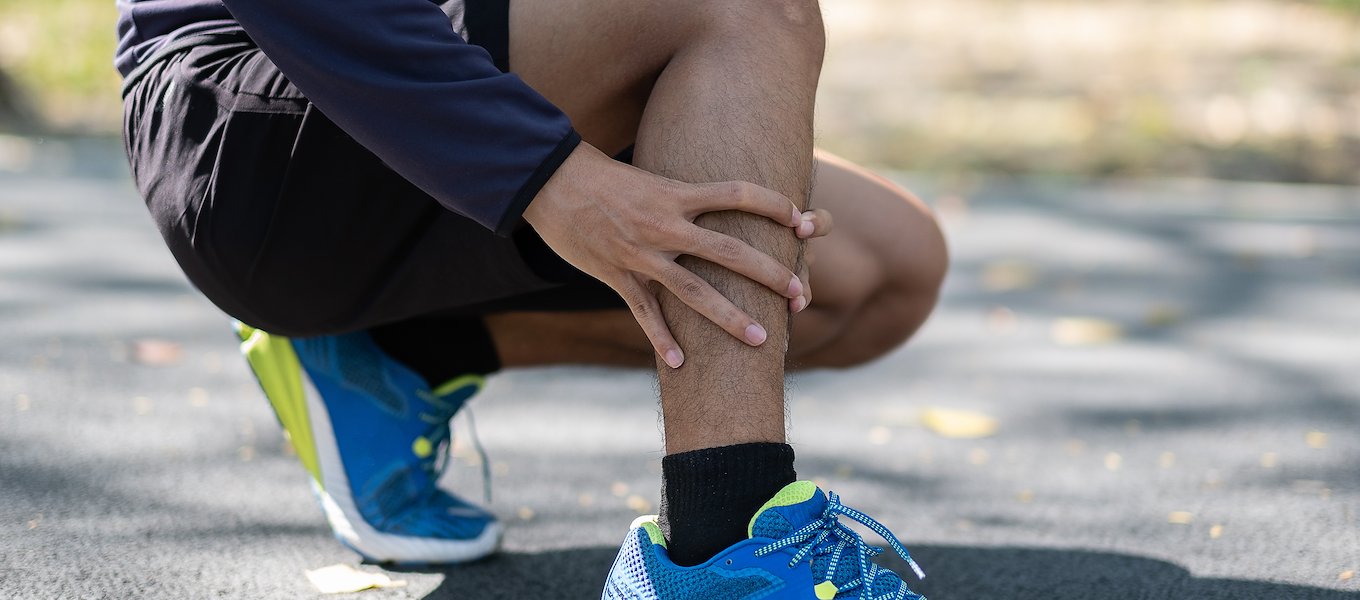
Shin Splints

Suffering from Shin Splints? Get Relief Now
Shin splints are more than just an inconvenience—they can bring persistent, sharp discomfort that keeps you from enjoying the activities you love. Whether it’s tenderness along your shins or soreness in your lower leg and ankle, our patient-focused treatments are custom-built to address your unique symptoms to relieve pain and reduce inflammation.
Understanding Shin Splints
Shin splints, also known as medial tibial stress syndrome, affect more than three million Americans every year. These tiny tears in the shinbone and surrounding tissue are typically the result of repetitive stress and overuse. Shin splints can affect everyone from runners to dancers and anyone engaging in high-impact activities. The tenderness and soreness along the inner side of the shin can vary, sometimes feeling like a dull ache and at other times producing a sharper, more intense sensation of pain.
Our Treatment Approach for Lasting Shin Splints Relief
We offer personalized care for treating shin splints that addresses both immediate pain relief and long-term prevention. Shin splints can be both physically and mentally exhausting, which is why we focus on addressing the underlying causes of shin pain to provide targeted relief. Each aspect of our shin splints treatment plan is designed with your comfort and recovery in mind, including:
- Thorough evaluation and diagnosis
- Rest and activity modification
- Stretching and strengthening exercises
- Therapy and manual treatments
- Supportive footwear and orthotics
This integrated approach provides immediate and long-term relief for shin splints and persistent shin pain, helping you recover quickly and get back to living the life you love. Speak with a StrideCare shin pain specialist today or book your appointment online now.
Causes of Shin Splints
Shin splints (sometimes called tibialis shin splints or tibial shin splints) develop from repetitive stress on the shinbone and surrounding tissues, often due to high-impact activities or improper alignment. Those who run, dance, or participate in intense physical activities are especially prone to shin splints, as the repetitive motion can put significant strain on the lower leg. Running on uneven or hard surfaces, or wearing shoes without adequate support, can further increase the risk of developing shin splints.
Several factors can also contribute to shin splints, including physical characteristics like flat feet or high arches, as well as muscle imbalances in the ankles, hips, or core. Sudden increases in activity intensity, duration, or frequency can make the shinbone and surrounding tissues more vulnerable to tiny tears and inflammation. Our team can help you assess these risk factors and create a personalized treatment plan that both relieves pain and addresses the underlying causes of your shin splints.
Shin Splints Symptoms and When to Seek Treatment
Recognizing shin splints symptoms early can help you get fast relief through treatment and avoid prolonged, painful discomfort. Here are common symptoms that may indicate the need for shin splints treatment:
- Pain or tenderness along the inner side of the shinbone
- Swelling in the lower leg around the shin area
- Dull ache or sharp pain that worsens with activity
- Discomfort that lingers even with rest
- Pain that returns upon resuming physical activity
Don’t live another day with debilitating shin splints pain—if you’re experiencing any of these symptoms, our podiatrists at StrideCare can help treat your shin splints and deliver effective, lasting healing.
Frequently Asked Questions about Shin Splints
Schedule a consultation
We’re here to assist you with your inquiries.