

 (866) 552-4866
 Healthcare Insights
Critical Limb Ischemia

What is Critical Limb Ischemia?
Critical limb ischemia (CLI) is a severe form of peripheral arterial disease (PAD) that specifically affects the legs and feet. This condition is characterized by a significant reduction in blood flow to the lower extremities, leading to inadequate oxygen and nutrient supply to the tissues. Patients who have critical limb ischemia typically suffer from diabetes or other risk factors that contribute to the narrowing or blockage of arteries in the lower extremities. Oftentimes patients with critical limb ischemia will present with wounds on the feet or toes that are slow to heal. It is crucial to see a specialist at StrideCare to prevent complications such as amputation and improve overall limb well-being.
What Causes Critical Limb Ischemia?
Critical limb ischemia (CLI) in the legs is primarily caused by atherosclerosis, a condition characterized by the buildup of plaque in the arteries. Arterial plaque leads to the narrowing or blockage of blood vessels that supply the lower extremities. This reduced blood flow deprives the legs of essential oxygen and nutrients, resulting in severe ischemia. Other contributing factors include diabetes, smoking, hypertension, obesity, sedentary lifestyle, and age.
What Treatments are Available for Critical Limb Ischemia?
There are Many Treatments Available for Critical Limb Ischemia Available at StrideCare Including:
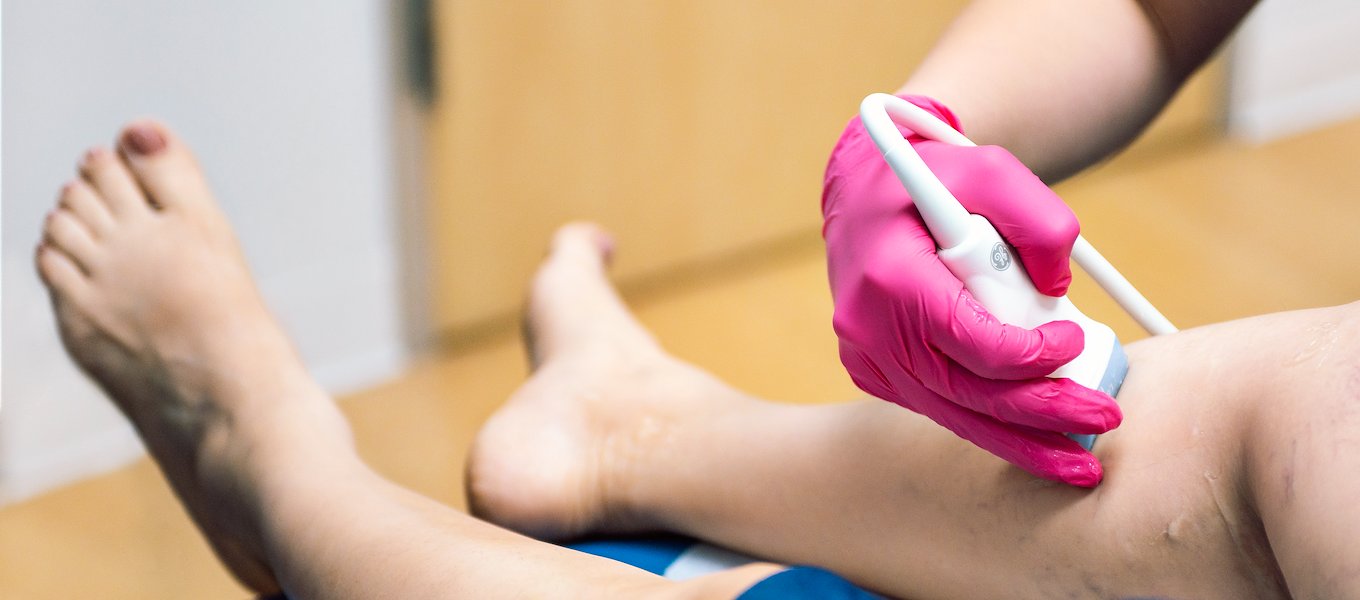
Diagnostic Arterial Ultrasound
A non-invasive test that uses ultrasound technology to get a full view of the arteries.
Angiography
Introduce a contrast dye into your arteries that allows your blood vessels to be seen on an x-ray.
Angioplasty
A balloon system is used to open up narrowed or blocked arteries.
Schedule a consultation
We’re here to assist you with your inquiries.